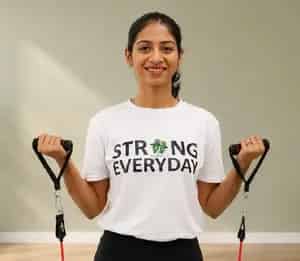
The online fitness classes vs gym debate usually ends in strong opinions on both sides. Gym regulars say you can't get fit at home; home exercisers say the gym is a waste of money. The truth is more useful: each option is better at different things.
This guide compares them factor by factor, for the realities of Indian cities and towns, so you can choose with confidence.
Online classes: a 45-minute class takes about 50 minutes of your day, including setup.
Gym: add travel in both directions, parking, changing and waiting for machines. In busy Indian cities, a 45-minute workout can easily take one and a half to two hours.
Verdict: online classes win clearly, especially for working professionals and parents.
Online classes: usually far cheaper per month, with no travel costs.
Gym: membership fees vary widely by city and gym, plus travel, registration fees, and extra charges for personal training.
Verdict: online classes are almost always cheaper. Gyms can still be good value if you use advanced equipment regularly.
Online classes: you train at home, in whatever you like, without anyone watching. For beginners, women who prefer privacy and older adults, this matters a lot.
Gym: some people enjoy the atmosphere; others find crowded floors, mirrors and experienced lifters intimidating.
Verdict: online classes win for beginners and anyone self-conscious. Gyms suit people who are motivated by surroundings.
Online classes: bodyweight, sometimes with bands or light dumbbells. Excellent for general strength, but there is a limit to how heavy you can go.
Gym: racks, barbells, machines and heavy dumbbells let you keep adding load for years.
Verdict: gyms win for heavy strength and muscle-building goals.
Online group classes: a trainer leads and demonstrates, but in large classes no one corrects you individually. You rely on clear cues and easier variations.
Gym: floor trainers vary in quality and attention. Personal trainers can correct your form closely, at an extra cost.
Verdict: a good personal trainer at a gym gives the most individual attention. Without one, the difference is smaller than many people think.
Online classes: fixed timings and no travel make it easy to show up regularly. The main risk is distraction at home.
Gym: the effort of getting there causes many people to skip, especially in bad weather or after a long day. Many memberships go unused.
Verdict: for most people, online classes are easier to stick with. And consistency drives results more than anything else.
Online classes: no shared equipment, no crowds, and no travel at night.
Gym: shared equipment and crowded spaces; heavy weights carry injury risk without proper technique.
Verdict: online classes are simpler and lower-risk for general fitness.
For general fitness, strength for daily life, posture, stamina and weight management, both can deliver good results. The deciding factor is how often you actually train.
For building large muscles or maximal strength, the gym's heavier equipment gives it a clear advantage.
- 1.Is your commute to the nearest good gym longer than 15 minutes each way?
- 2.Is your main goal general fitness, weight management or daily strength, rather than heavy lifting?
- 3.Do you feel uncomfortable exercising in front of others?
- 4.Have you paid for a gym before and stopped going within a few months?
- 5.Is budget an important factor for you?
- 6.Do you prefer a fixed class time to deciding when to work out?
Mostly yes: online fitness classes are likely the better fit.
Mostly no: a gym may suit you better, especially if you enjoy lifting heavy.
You don't have to choose one forever. Many people use online classes on weekdays for consistency and visit a gym on weekends for heavier training. Others start at home to build the habit and confidence, then add a gym later.
This article is for general information only and is not medical advice. Please consult a doctor before starting any new exercise routine, especially if you have a health condition, an injury or are pregnant.