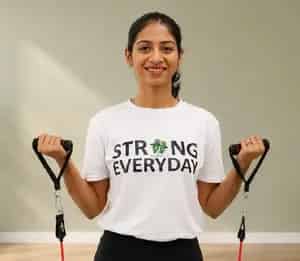
Weight loss is one of the most common reasons people join online fitness classes. It's also the goal surrounded by the most myths. Some people expect to lose 10 kg in a month from workouts alone. Others give up because the scale doesn't move in the first week.
This guide explains, honestly, how online workout classes for weight loss fit into the bigger picture, so you can set realistic expectations and stay motivated.
Your body uses energy every day: to breathe, digest food, move around and exercise. You lose weight when, over time, you eat slightly less energy than your body uses. Your body then draws on stored fat to make up the difference.
That means three things matter:
- 1.What and how much you eat has the biggest effect on the scale.
- 2.How much you move, including exercise and everyday activity like walking and housework, increases the energy you use.
- 3.Sleep and stress affect hunger, cravings and energy, which influence the first two.
Exercise alone rarely leads to big weight loss if eating habits stay the same. But exercise combined with sensible eating works far better than diet alone.
Many people trying to lose weight only walk or do cardio. Strength training adds something cardio doesn't.
- •It helps you keep muscle. When you eat less, your body can lose muscle as well as fat. Strength training signals your body to hold on to muscle.
- •You look firmer, not just smaller. Keeping muscle while losing fat changes your shape, not only your weight.
- •Daily life feels easier. Stronger legs, back and core make you more active overall, which uses more energy across the day.
- •It supports a healthy metabolism. Muscle is active tissue, and keeping it helps your body use energy well.
The NHS physical activity guidelines recommend strengthening activities on at least 2 days a week alongside regular moderate activity, so combining strength classes with everyday movement such as walking is a good approach.
- •Weeks 1 to 2: you may see a quick drop on the scale, mostly water. You'll likely feel more energetic.
- •Weeks 3 to 8: steady, slower loss. The NHS advises aiming to lose about 0.5 to 1 kg a week.
- •Months 3 and beyond: progress may slow as your body adjusts. This is when consistency matters most.
Faster loss is possible with extreme diets, but it is usually harder to sustain and more likely to come back.
Your weight can change noticeably from day to day because of water, salt, food in your stomach, hormones and even the time you weigh yourself. Muscle gain from strength training can also hide fat loss on the scale.
Track progress in more than one way:
- •Waist measurement once every two weeks
- •How your clothes fit
- •Energy levels during the day
- •Fitness: can you do more reps, or a harder variation, than a month ago?
- •Photos taken in the same light every month
If the scale is flat but your waist is shrinking, you are losing fat.
You don't need a special diet plan to start. Small, consistent changes work best:
- •Add protein to every meal: dal, paneer, curd, eggs, chana, rajma, soya or sprouts help you stay full.
- •Fill half your plate with vegetables before adding rice or roti.
- •Watch the extras: sugar in tea, fried snacks, sweets and sugary drinks add up quickly.
- •Don't skip meals and then overeat at night. Regular meals help control hunger.
- •Drink water through the day.
If you have diabetes, thyroid issues, PCOS or any medical condition, follow your doctor's or dietitian's advice on food.
Almost everyone hits a phase where weight stops moving for a few weeks. Before giving up, check:
- •Has your eating crept up? Portions often grow slowly over time.
- •Are you sleeping enough? Poor sleep increases hunger and cravings.
- •Has daily movement dropped? Classes are only part of your day. Add walks.
- •Have workouts become too easy? Try harder variations of a few exercises.
- •Are you being patient enough? Two to three flat weeks are common before the next drop.
- •Guarantees like "lose 10 kg in 30 days"
- •Extreme low-calorie diets or meal replacements as the main plan
- •Pressure to buy supplements, fat burners or detox products
- •Claims that one exercise will burn fat from one body part
- •No mention of food, sleep or long-term habits
A good fitness class supports weight loss through regular exercise. It doesn't promise a fixed result.
Sources: NHS – Overweight and obesity in adults; NHS – Physical activity guidelines for adults; American Council on Exercise – 3 fat loss myths
This article is for general information only and is not medical advice. Please consult a doctor or dietitian before changing your diet or exercise routine, especially if you have a health condition.