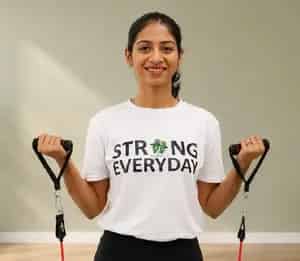
For many people, the morning is the only part of the day that truly belongs to them. Once office calls, school runs and household work begin, a planned workout is the first thing to get pushed aside.
Morning online workout classes solve that by putting exercise first. You roll out of bed, open the class, and by the time the rest of the house wakes up, your workout is done. This guide explains how to make an early routine work, even if you aren't a "morning person".
- •Fewer interruptions. Meetings, guests and unexpected tasks rarely happen at 6:30 AM.
- •No decision fatigue. Later in the day, you're tired of making choices. In the morning, willpower is fresher.
- •A sense of achievement. Starting the day with something done makes the rest of it feel more manageable.
- •Cooler temperatures. In much of India, early mornings are the most comfortable time to move.
- •It sets the tone. Many people find they eat and move better for the rest of the day after a morning workout.
Most people fail at morning workouts because they try to wake up earlier without sleeping earlier. Work backwards: if class starts at 6:30 AM and you need seven to eight hours of sleep, aim to be asleep by around 10:30 PM.
If you usually wake at 8 AM, don't jump to 6 AM overnight. Move your alarm 15 minutes earlier every three or four days until you reach your target.
- •Keep your workout clothes next to your bed.
- •Put your mat out the night before.
- •Leave a glass of water by your phone.
- •Keep the class link ready, so you don't have to search for it while half-awake.
If you have to stand up to turn off the alarm, you're far less likely to fall back asleep.
There's no single right answer. It depends on your body, your class intensity and any health conditions.
- •Water first: you wake up slightly dehydrated, so drink a glass of water before class.
- •Light snack if you need it: half a banana, a few soaked almonds, or a small handful of dates 20 to 30 minutes before class works for many people.
- •Avoid heavy meals: a full breakfast right before exercise can cause discomfort.
- •Eat properly afterwards: a breakfast with some protein, such as eggs, curd, poha with peanuts or a besan chilla, helps you recover.
If you have diabetes, low blood pressure or feel dizzy exercising on an empty stomach, don't train without eating. Ask your doctor what's safe for you.
Joints and muscles often feel stiffer in the first hour after waking, especially as we get older. That's normal, but it means the warm-up matters more in the morning than at any other time.
- •Never skip the warm-up, even if you're running late.
- •Start slowly: gentle neck rolls, shoulder circles, hip circles and marching in place.
- •Choose easier variations for the first few minutes of the main workout.
- •A short walk around the house before class can help loosen up.
- •Tell your family your class time, so they know not to interrupt.
- •Use earphones if others are still asleep.
- •Choose low-impact options for jumping moves if neighbours are below.
- •Keep the room ventilated and a fan nearby, especially in summer.
Not everyone's body clock suits early exercise. If you've tried consistently for three or four weeks and still feel exhausted, a later slot may be better for you. The best workout time is the one you can keep doing, not the one that sounds most disciplined.
This article is for general information only and is not medical advice. If you have diabetes or low blood pressure, ask your doctor before exercising on an empty stomach.